
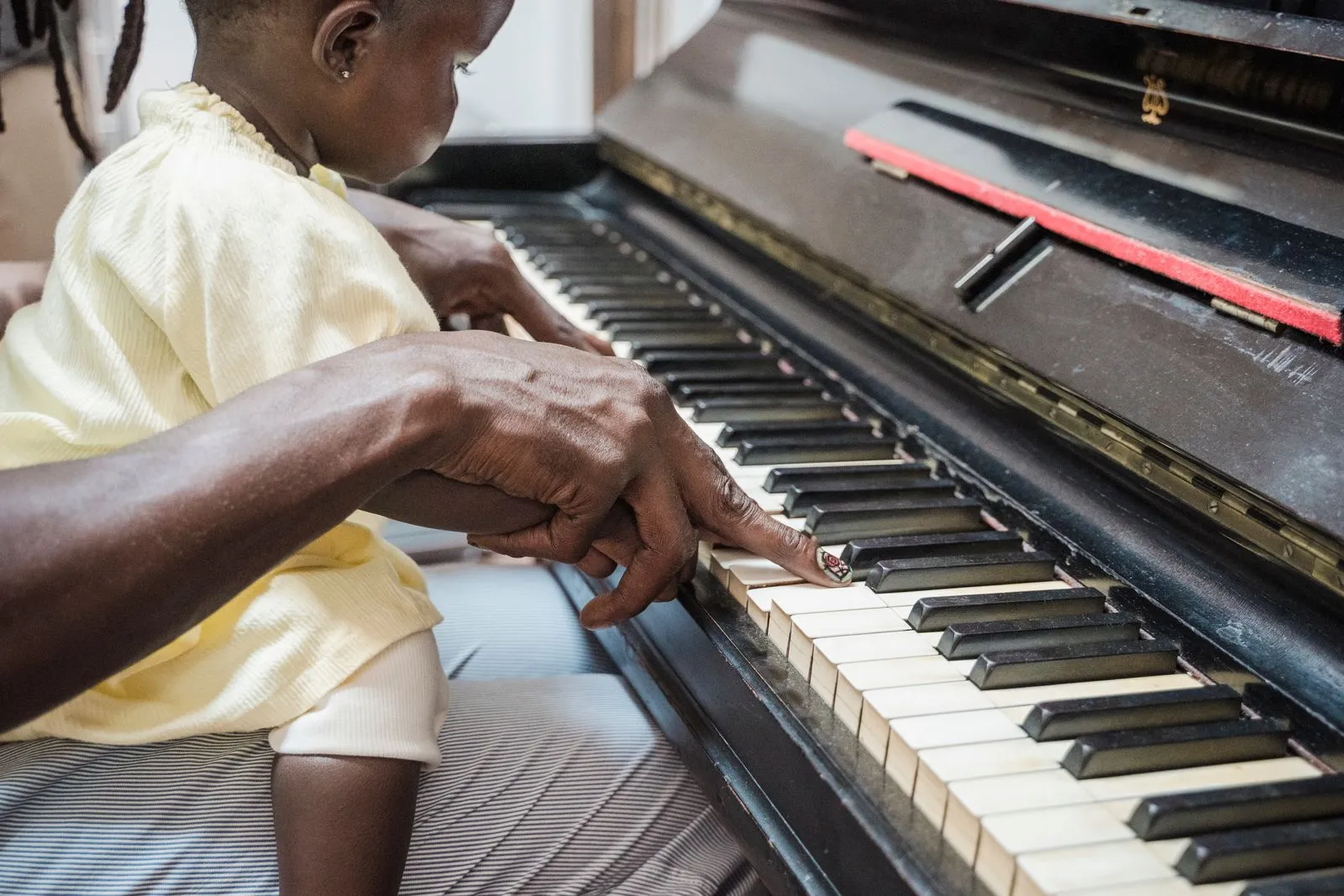
Choosing an instrument is easier when you look beyond what sounds appealing in a quick demonstration. Think about the music your child enjoys, how they like to learn, and what your household can support during regular practice. A good match can make lessons feel engaging and manageable. Before signing up, compare the sound and demands of a few common instruments, then let your child try them when possible.
Match Sound to Musical Taste
The piano offers a clear range from low to high notes, and children can hear melodies and harmonies at once. It suits many styles, from classical music to pop. Guitar has a warm, flexible sound that works well for singing along and popular songs. Ask your child what music they listen to, then play examples featuring different instruments rather than relying only on appearance.
The violin has a bright, expressive tone and can play both melody and harmony in an ensemble. Its sound changes noticeably with bow pressure and technique, which may appeal to a child who enjoys shaping musical details. Drums and other percussion instruments provide rhythm, energy, and a physical way to participate. Consider whether your child is drawn to melody, chords, or keeping a beat.
Consider How Your Child Learns
Piano can make musical patterns visible: keys are arranged in a straightforward sequence, and pressing a key produces a clear note. This can help children who like structure and immediate feedback. Guitar involves coordinating both hands to form notes or chords, so a child who enjoys hands-on challenges may find it rewarding. Early progress depends on patience as well as interest.
Wind instruments such as flute, clarinet, or trumpet require breath control and careful posture. They may suit children who enjoy focused physical technique and listening closely to pitch. Violin also asks for precise coordination, especially at the beginning. No instrument has a single ideal learner; ask the teacher how lessons introduce basic skills and how practice expectations will grow.
Plan for Home and Practice
Before lessons begin, check the instrument’s size, storage needs, and sound level. A piano needs a stable place at home; an acoustic piano also requires ongoing care. Guitars and violins need safe storage and may come in different sizes. Drums can take up space and create more sound than a household expects, so ask about quieter practice options and suitable practice equipment.
Set a realistic practice routine around school, activities, and family schedules. A consistent, brief practice period is often easier to maintain than an ambitious plan that quickly becomes stressful. Ask what equipment or books are needed, whether the instructor recommends renting or buying, and how the instrument should be maintained. For a young child, confirm that the instrument fits comfortably and can be handled safely.
Let Your Child Try Options
A short, supervised trial can reveal more than a list of pros and cons. Notice whether your child wants to explore the instrument again, can manage its basic physical demands, and stays curious when a sound takes practice to produce. If possible, let them compare two or three options in one visit. Keep the choice manageable rather than presenting every instrument at once.
Talk through the family’s practical limits without turning them into a test of commitment. Explain where practice can happen, who will help with setup, and what regular lessons involve. If your child’s first choice does not work well after a reasonable trial, discuss another option with the instructor. Charleston Music Studio can help families consider lesson options and instrument fit before getting started.
The right instrument balances your child’s curiosity with the realities of sound, space, practice, and physical comfort. Compare a few choices, arrange a chance to try them, and ask an instructor what beginners should expect. With a thoughtful start, your child can build skills while enjoying the process. Consider speaking with a music teacher to explore suitable options.